
The Purebred Arabian: history, habitat and the ideal companion for equestrian tourism
The Purebred Arabian is one of the most fascinating and instantly recognisable horse breeds in the world. A horse that never fails to turn heads, capable of evoking images of boundless deserts, caravans and ancient civilisations. Its origins are so ancient that they are lost in the mists of time: it is estimated that they date back to over 4,000 years ago. Frescoes discovered in Egypt show that horses with similar characteristics were already present as early as 2000 BC, confirming the deep connection between this race and North Africa.
Legends steeped in poetry surround his birth. According to Arab tradition, he was Allah himself who created the Purebred Arabian with a touch of the Southern Wind, endowing it with speed, stamina and an indomitable spirit. A symbolic tale that seems to be borne out by its extraordinary physical and character traits.
Caratteristiche fisiche e temperamento
The Arabian horse is elegant, harmonious and incredibly expressive. Its head is small and sculpted, with a typically snub nose, wide nostrils and large, bright eyes that convey alertness and intelligence. The ears are short and slightly curved, and the neck is arched and proud. The coat, short and glossy, reveals subtle streaks that accentuate its refined appearance.
One of its most striking features is its skeletal structure: the Arab horse has 17 ribs, 5 lumbar vertebrae and 16 caudal vertebrae, unlike most horses. This characteristic affects the posture of the high ponytail and in its movement, which is smooth, supple and almost floating. It is of modest stature, averaging around 150 cm at the withers, but this in no way limits its performance. The most common coat colour is grey, followed by chestnut, bay and black.
In terms of temperament, the Purebred Arabian is lively, sensitive and very attached to humans. Centuries of close coexistence with nomadic peoples have shaped a horse that is cooperative, attentive and deeply reliable.
Areas of distribution: North Africa and the Middle East
The Arabian developed in the Middle East, above all on the Arabian Peninsula, in regions with extreme climates and challenging terrain. Its history is associated with what are now Saudi Arabia, Yemen and Oman, as well as Syria, Jordan, Iraq and Iran. The breed also has an important breeding tradition in Egypt and has influenced horses in Libya, Tunisia and Morocco through historic crossbreeding.
In these regions, the Arabian horse was not merely a means of transport or a warhorse, but a true member of the family, carefully selected for its stamina, courage and temperament.
The Arabian horse and equestrian tourism
It is precisely its history and characteristics that make the Purebred Arabian the ideal companion for equestrian tourism. Having spent centuries covering long distances in harsh environments, it is a tireless horse, capable of maintaining a steady pace for many hours without becoming unduly fatigued. Its stamina, combined with its ability to thrive on a simple diet, makes it perfect for treks lasting one or more days.
The Arabian’s willingness to connect with people can also make an appropriately trained individual suitable for a less experienced rider. Suitability depends on the particular horse, its training and the proposed route. Curious and sure-footed individuals can be rewarding companions on mountain trails, hills, beaches and sandy tracks.
It is no coincidence that today the Purebred Arabian is highly regarded not only in endurance riding – a discipline in which it excels – but also in equestrian tourism, where it combines reliability, riding comfort and a beauty that makes every riding experience all the more intense.
The Purebred Arabian embodies history, legend and movement. For equestrian travellers, this breed can offer adventure alongside a close connection with the horse and the landscapes they explore together.
Categories
Recent Posts
All the articles
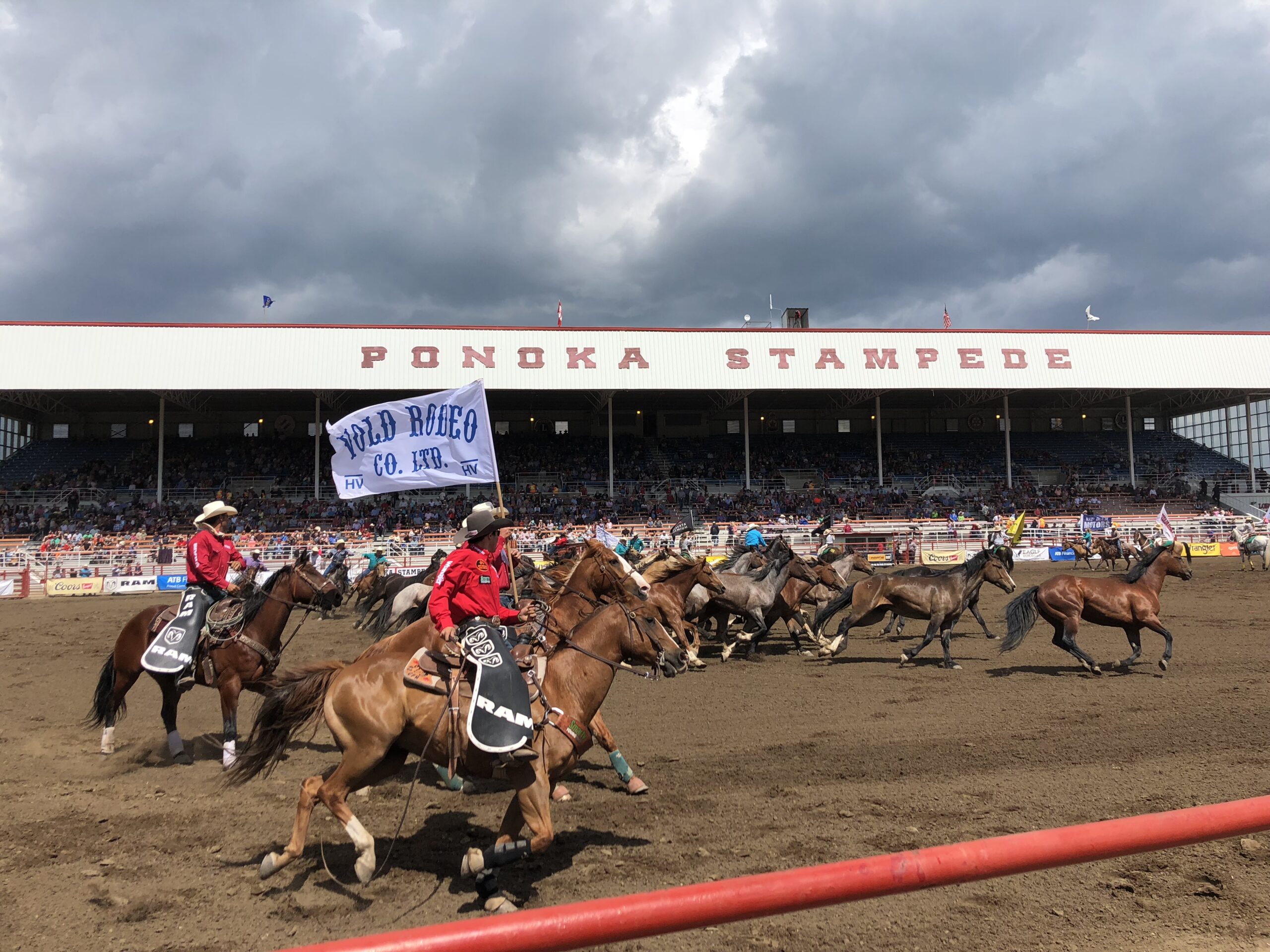
Alberta’s rodeo and cowboy culture: a journey from Wild Horse Races to the everyday life of working ranches.
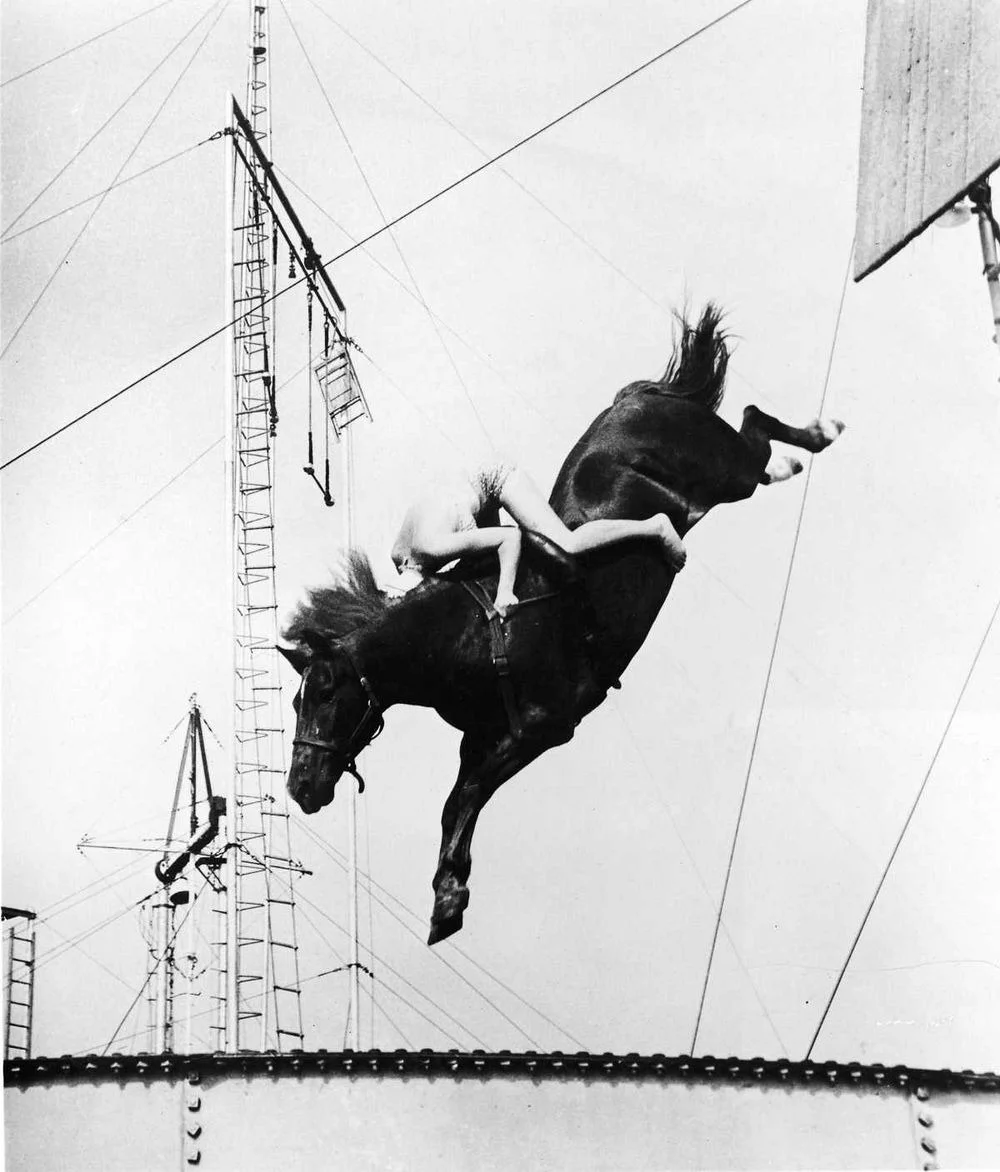
From the Steel Pier’s diving horse acts to Sonora Carver: an unusual and controversial chapter in equestrian entertainment.

The Japanese mare who ran 113 races without a victory and won the public’s affection beyond the finishing order.