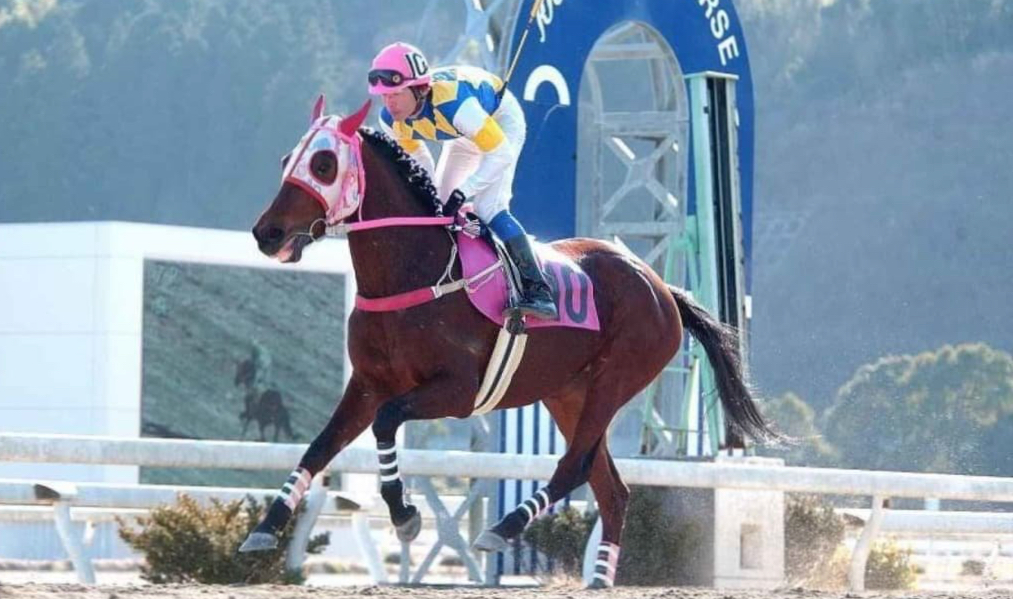
Some horses become famous for their speed, trophies and records. Then there is Haru Urara, the Japanese racehorse who won over the public with a very different career: 113 races and no victories. Rather than consigning her to obscurity, that record made her one of the best-loved figures in Japanese racing. Her racing career is documented in the JBIS race records.
Her story remains moving because it touches on something familiar: the wish to be appreciated even when results fall short of expectations. For horse lovers, it is also an opportunity to reflect on the value we place on these animals, both on and off the track.
Who was Haru Urara?
Haru Urara was a Japanese Thoroughbred mare born in 1996. She made her racing debut in 1998 and ran her last race in 2004. Kōchi Racecourse, on the island of Shikoku, became the place most closely associated with her career.
She never crossed the finishing line first, but that does not mean she always came last: her results included five second places. It is an important distinction, often lost in shorter accounts of her life. Source: SoraNews24.
What made Haru Urara unusual was not simply her racing record. Above all, it was the public response: people began following her with an affection that went beyond waiting for a win.
Why did a winless racehorse become so famous?
Her fame grew in 2003, when her long losing streak attracted media attention. From a runner at a small local racecourse, Haru Urara became a familiar name throughout Japan.
In the public imagination, her career came to represent everyday perseverance: turning up at the start again after so many disappointments. Fans recognised something of themselves in that image and began supporting her regardless of where she finished. Japanese sports reporting has looked back at this period and the enthusiasm surrounding her appearances. Source: Tokyo Sports.
Of course, the idea of “never giving up” is a human interpretation of her story. We cannot know a mare’s ambitions as we might know those of an athlete. We can, however, see how deeply her career affected people.
Haru Urara and Yutaka Take: the 2004 race
One of the best-known episodes took place on 22 March 2004, when Yutaka Take, one of Japan’s most famous jockeys, rode her.
There was no victory that day either: Haru Urara finished tenth out of eleven runners, recording her 106th consecutive defeat. Source: Wikipedia, with references to contemporary reporting.
The result did not dampen the excitement surrounding her presence. That race became one of the defining moments of a sporting phenomenon in which support had taken on a meaning beyond the finishing order.
Betting tickets that became good-luck charms
Among the more unusual aspects of her popularity were betting tickets bought to be kept as charms.
At the heart of the custom was a Japanese play on words: ataranai can evoke both a bet failing to win and not being hit. For some supporters, tickets associated with Haru Urara therefore became good-luck charms against road accidents. Source: Tokyo Sports.
It is a detail that shows how a racing story can enter popular culture and acquire unexpected meanings.
From racehorse to an Umamusume character
Haru Urara’s story has also reached a younger audience through Umamusume: Pretty Derby, the multimedia project that includes a video game featuring characters inspired by real racehorses.
The character bearing her name helped introduce the mare to people outside racing. Haru Urara died on 9 September 2025, aged 29, leaving memories shared by racing enthusiasts and newer admirers alike. Source: CNA Lifestyle.
What Haru Urara’s story leaves us
Her life invites us to look at a horse beyond its performance. Speed, results and athletic ability are only part of the relationship we can build with an animal.
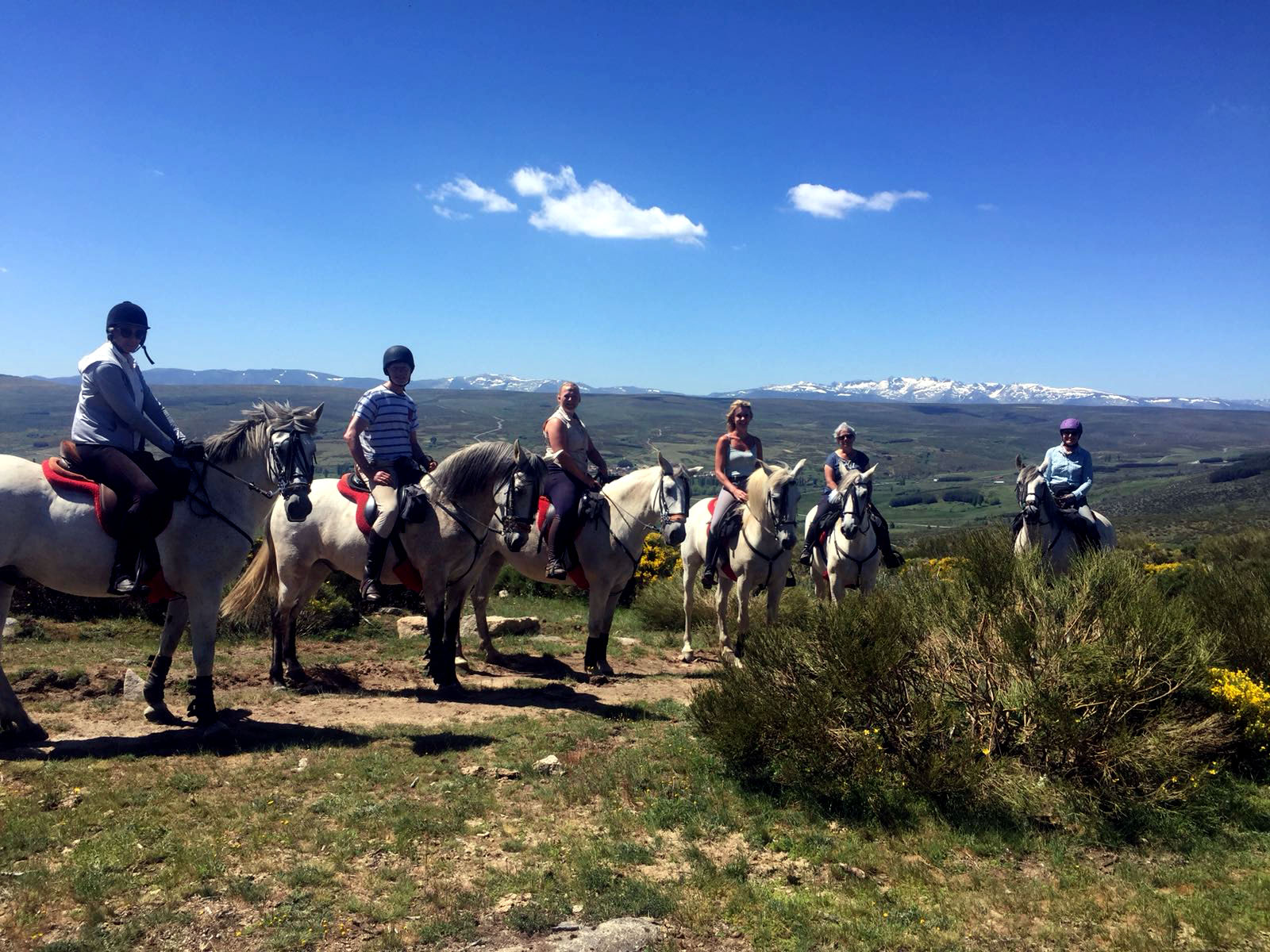
Anyone who spends time in the saddle knows the value of small steps forward: finding a shared rhythm, learning to listen, and approaching a trail with greater confidence. These experiences do not need a leaderboard to leave a lasting impression.
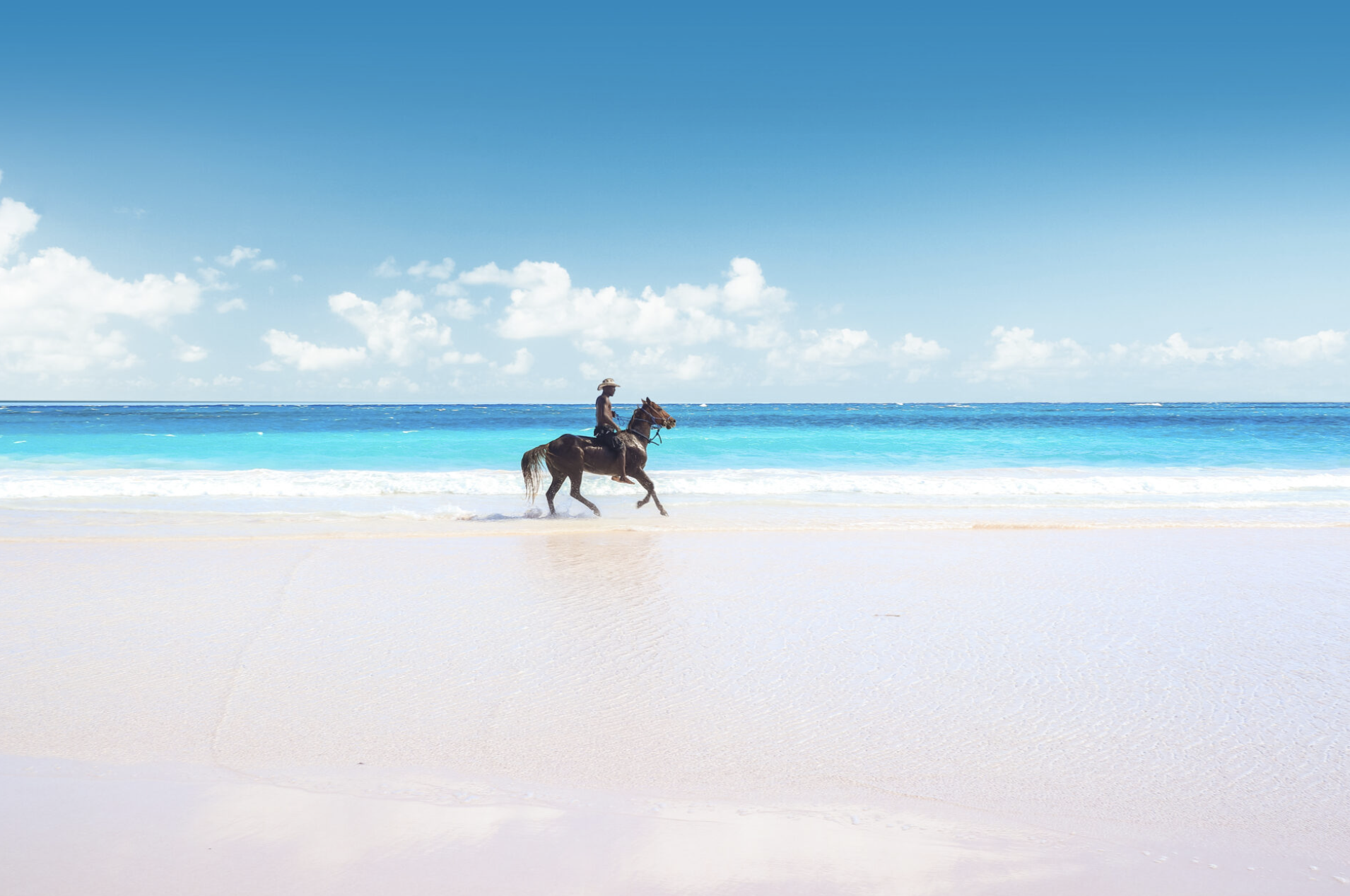
This is also part of what makes a horse riding holiday special: discovering a place through a relationship with an animal, while respecting its pace and individual character.
Haru Urara never won any of her 113 races. Yet her story is still told. Perhaps it reminds us how limiting it can be to measure every experience solely by its outcome.
Do you love horse stories and the emotions of life in the saddle? Explore our horse riding holidays and find the experience that suits you.