When one thinks of Brazil, the mind immediately turns to golden beaches, the Amazon rainforest, the Rio Carnival or the silhouette of Christ the Redeemer. But Brazil also harbours lesser-known stories, including that of the wild Lavradeiro horses, a unique breed that lives in the remote region of Roraima, in the north of the country, on the border with Venezuela.
Chi sono i cavalli Lavradeiro
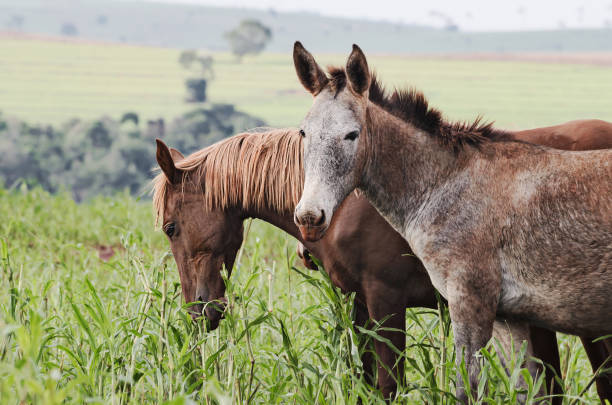
The Lavradeiros (also known as the wild horses of Roraima or Lavradeiro Criollo) are not a formally recognised breed like many others, but they represent one of the last remaining populations of wild horses in the world.
These horses are descended from European equines, which were brought to the region during the colonial period by the Portuguese and Spanish (mainly in the 18th century). When the animals escaped or were abandoned, they adapted to life in the wild in the vast ‘lavrados’, the tropical grasslands that characterise this part of northern Brazil.
Adapting to extreme conditions
Life in the savannahs of Roraima is not easy. The seasons alternate between long dry spells and rainy seasons, during which vast expanses of grass can be flooded.
Over time, Lavradeiro horses have developed physical and behavioural traits that enable them to survive in this harsh environment: stamina and agility, the ability to travel long distances in search of water and food, and a frugal diet that allows them to thrive on poor or nutrient-poor pasture, as well as an adaptation to local parasites and diseases, the result of generations spent in the wild.
In terms of build, Lavradeiros tend to be of medium size, with coats that can vary and a sturdy build, reflecting their natural evolution away from controlled breeding programmes.
A population at risk
Unfortunately, despite their extraordinary resilience, these horses are a population at risk of extinction. Over the course of the 20th century, their numbers in the wild have declined dramatically, partly due to hunting and competition with domestic livestock for water and grazing land.
In the 1990s, it was estimated that the population could have fallen to just a few hundred individuals, sounding the alarm for zoologists and Brazilian authorities.
Preservation and the future
To protect this unique population, the Empresa Brasileira de Pesquisa Agropecuária (EMBRAPA), Brazil’s national agricultural research agency, has set up a conservation programme and a breeding centre dedicated to preserving the Lavradeiro. These initiatives aim to study the genetics, demography and needs of this population, with the aim of maintaining its stability and increasing its numbers.
Why visit them?
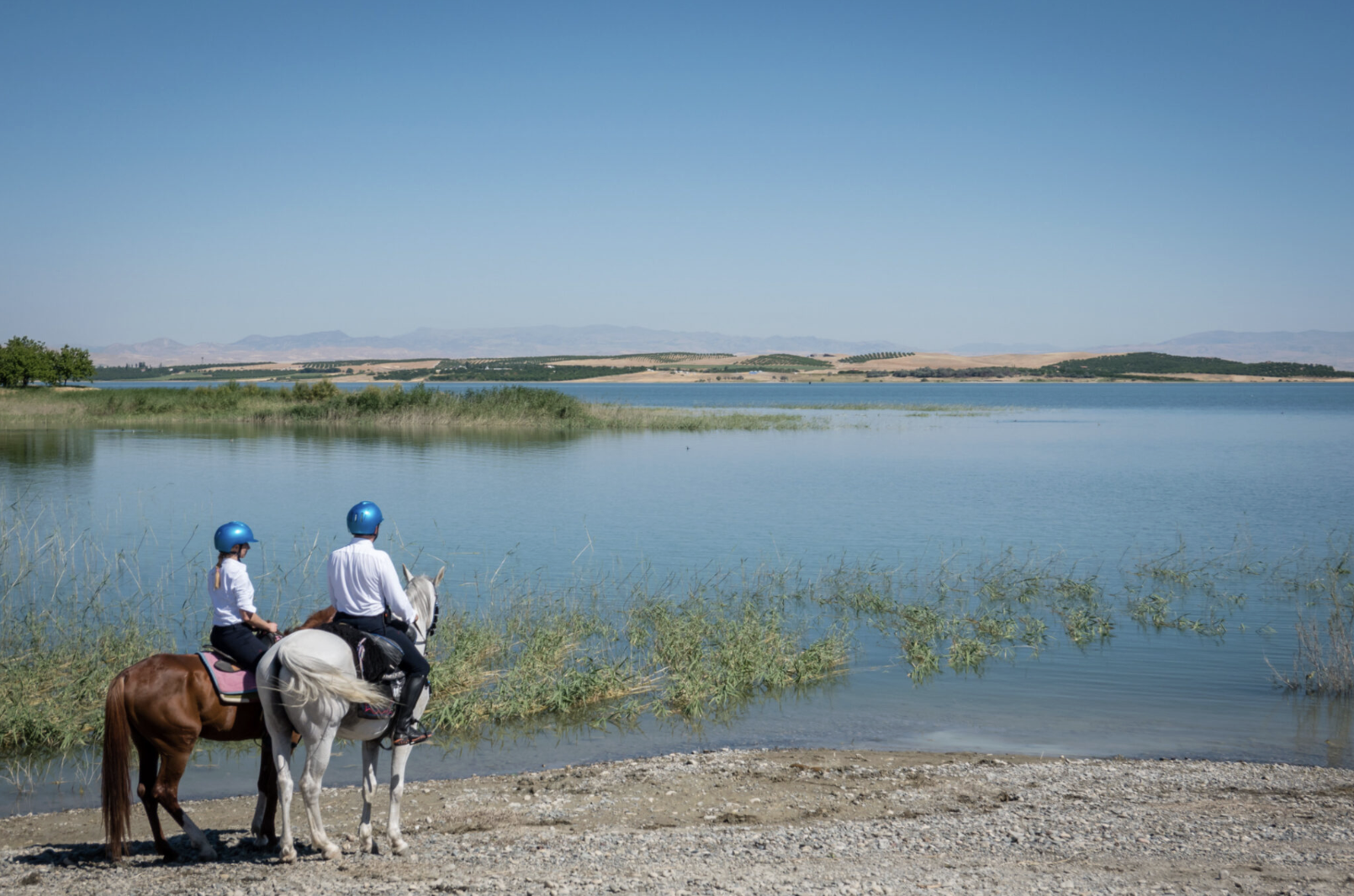
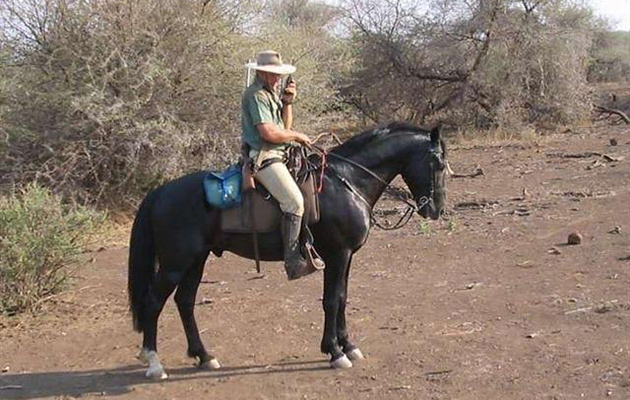
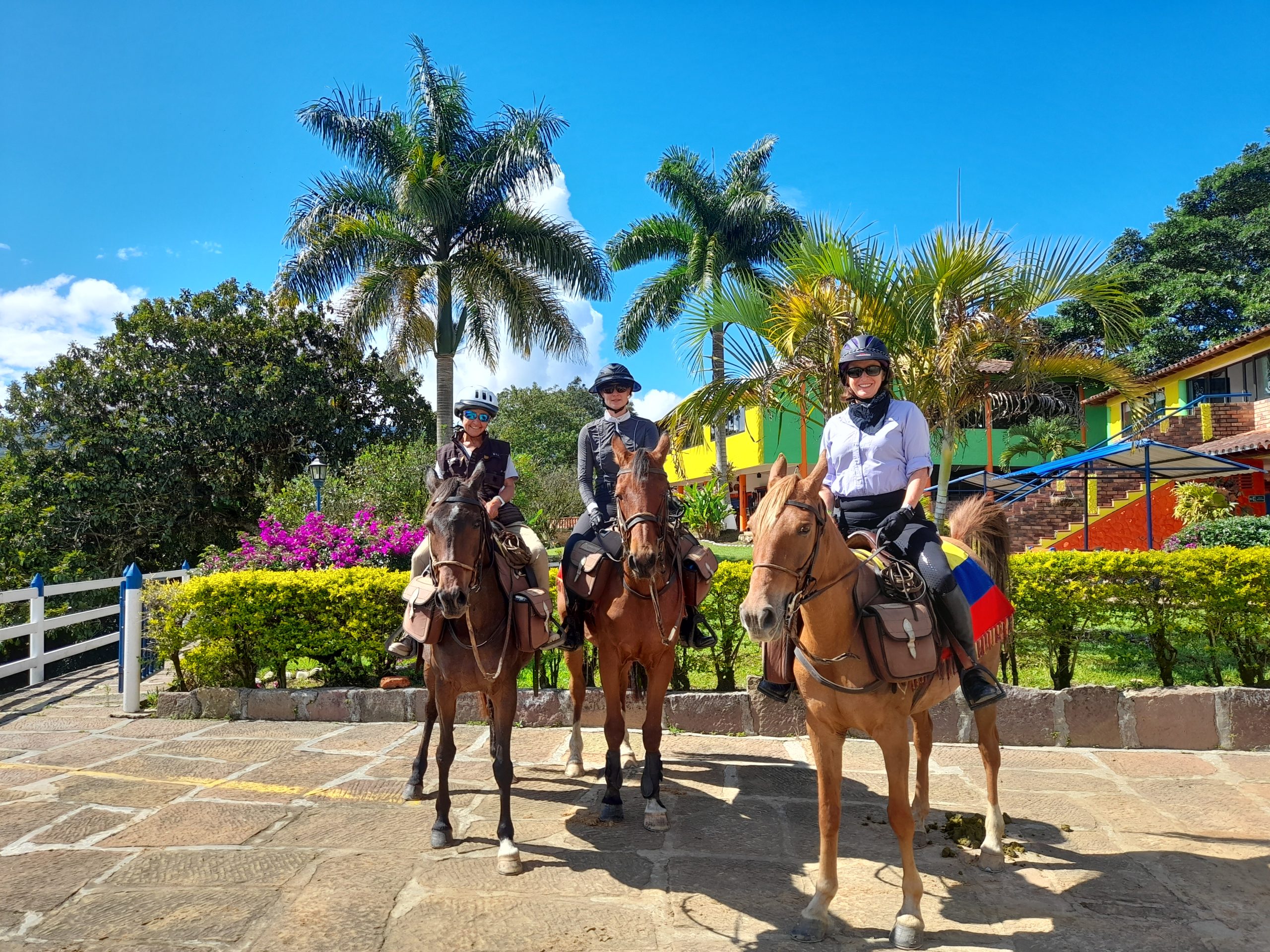
For lovers of nature travel and horse riding, Brazil offers unique opportunities. Visiting the Roraima region means not only exploring unspoilt landscapes and extraordinary biodiversity, but also getting up close to one of the most fascinating and least-known equine histories on the planet.