The horse’s gaits: walk, trot and canter explained in simple terms
Sara Giavarini
The horse’s gaits: walk, trot and canter explained in simple terms
Anyone who loves horses or is new to the world of horse riding often hears about the horse’s three natural gaits: walk, trot and canter. Each gait has different characteristics and allows the horse to move at different speeds and with different levels of balance.
Understanding the gaits is important for gaining a better understanding of the horse’s movement and improving the relationship between rider and horse.
The walk: the calmest gait
The walk is the horse’s slowest and most natural gait. It is a steady, relaxed movement, ideal for starting work or for leisurely rides.
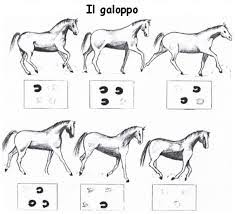
When walking, the horse places its hooves one at a time, maintaining constant contact with the ground. For this reason, it is described as a ‘four-beat’ gait.
The average walking speed ranges from 5 to 8 km per hour.
It is a fundamental gait because it helps the horse to relax and allows the rider to work on balance and communication.
The trot: rhythm and energy
The trot is a faster, more dynamic gait. In this gait, the horse moves in diagonal pairs: the right front leg and left hind leg together, then the left front leg and right hind leg.
Between one movement and the next, there is a brief moment of suspension in which the horse remains for a split second without touching the ground with its hooves.
The average speed of a trot is around 15–20 km/h, but in racehorses it can exceed 50 km/h.
For many novice riders, the trot is the most difficult gait to learn because it requires coordination and balance.
The canter and gallop: speed and freedom
The canter is the horse’s fastest gait and is also the most spectacular. It consists of three beats followed by a suspension phase.
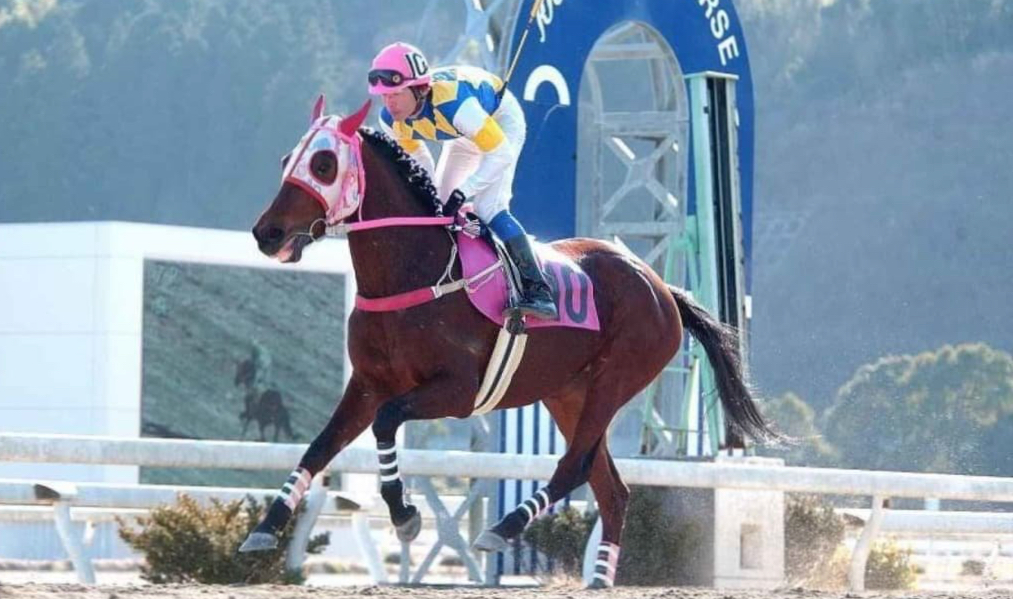
When a horse gallops, its movement becomes fluid, powerful and elegant. Racehorses can reach speeds of around 60 km/h.
The canter gives a unique sense of freedom and is often the favourite gait among horse riding enthusiasts.
Why it is important to know a horse’s gaits
Understanding a horse’s gaits helps you to better understand its behaviour and the way it moves. Each gait has a specific purpose and requires balance, coordination and trust between horse and rider.