Interesting fact: the Lipizzaner horse & the Vienna School of Advanced Dressage
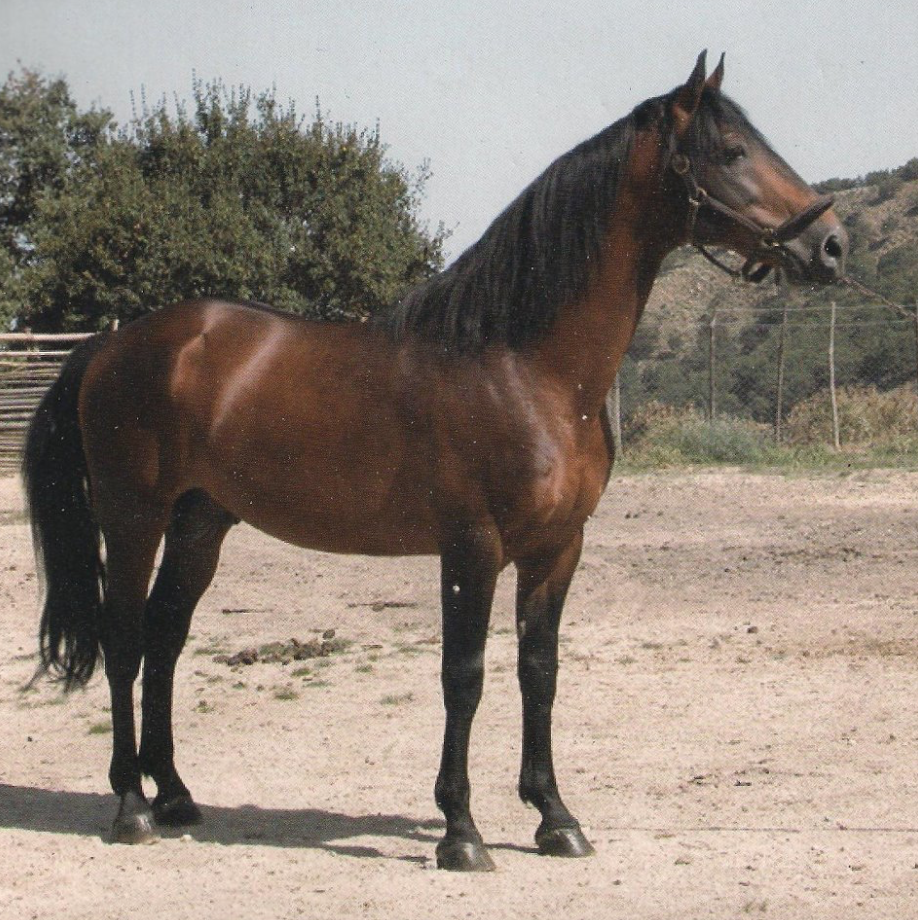
The history of the Lipizzaner horse, a breed named after the town of Lipica in Slovenia, where the stud farm was founded, is closely linked to the history of the Habsburgs, who ruled over much of Europe for 650 years during the Baroque era. At that time, horses represented a resource of strategic importance and, as we have already seen, the Andalusian was considered the perfect war horse in those years. It was thus that the Lipizzaner horse was created by crossbreeding Spanish stallions with Caucasian and Italian mares.
The Habsburgs always took great care of these animals, and precisely because of the striking similarities between the Karst region and Spain in terms of environment and climate, Archduke Charles decided to establish the stud farm for his court in Lipica.
In 1578, he chose the abandoned fortified settlement of Lipica, which had belonged to the bishops of Trieste, as the site for the Lipica Stud Farm, intended for the breeding of horses for the imperial court.
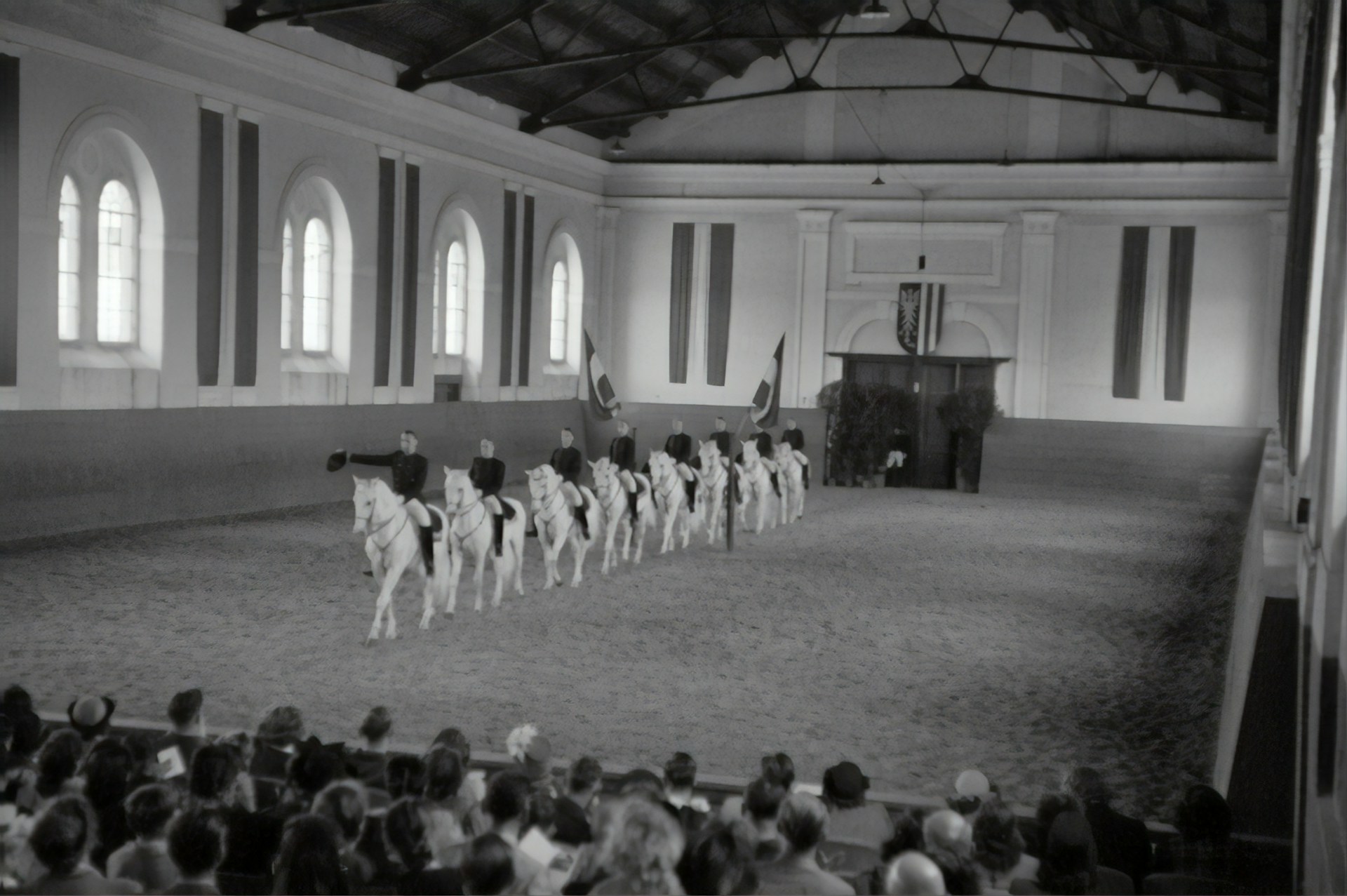
On 19 May 1580, Archduke Charles signed the contract for the purchase of the Lipica estate. The stud farm became famous because the Vienna Riding School, founded by Charles VI in 1729, used only stallions of this breed for its magnificent performances.
This elegant grey-coated horse is born black or dark bay, gradually turning white over the course of 7–10 years
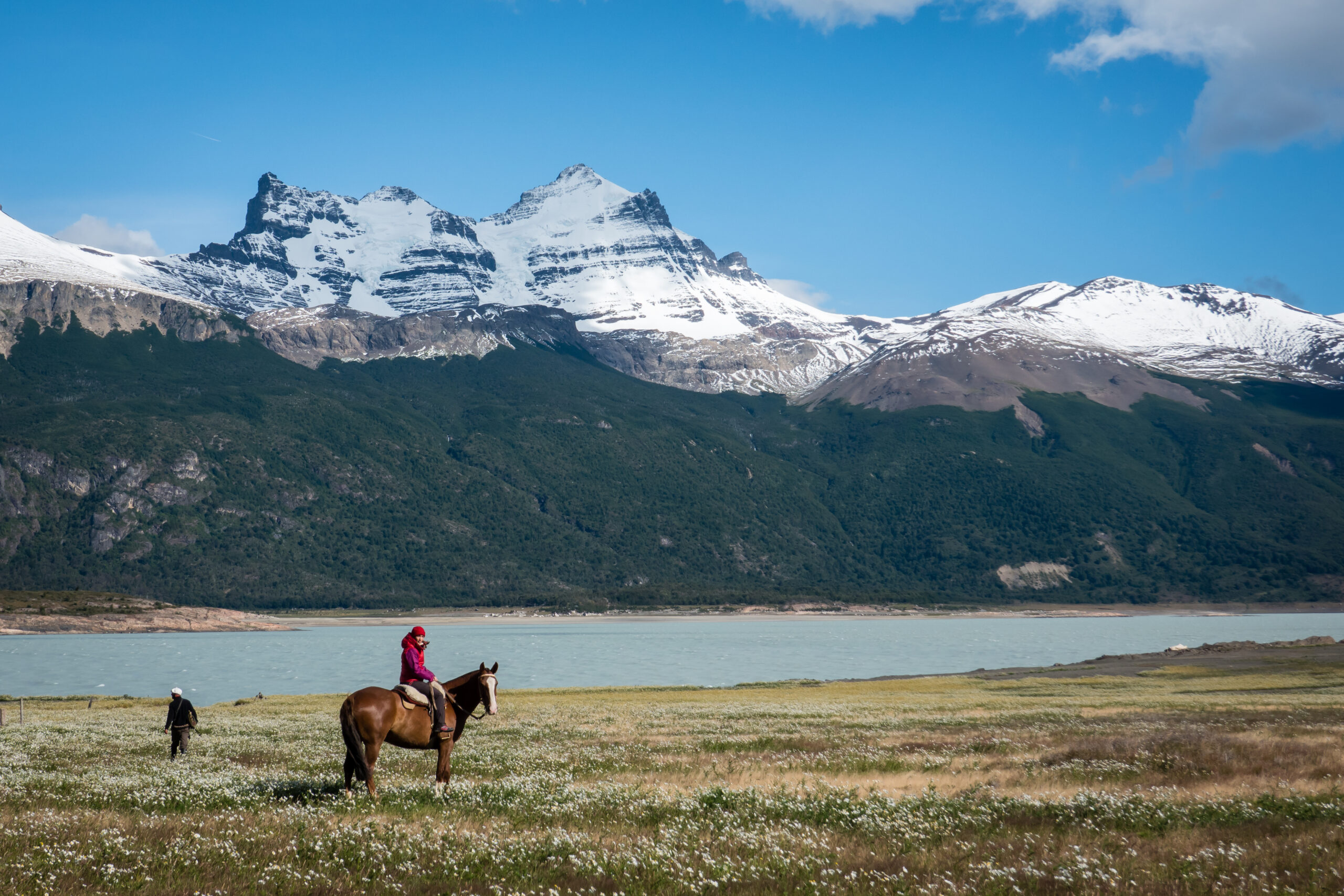
Nowadays, you can stay in Lipica for a week, or even just a few days, devoting your time to dressage and the basic exercises of Spanish high school riding, riding the majestic grey stallions under the guidance of highly skilled professionals.
Categories
Recent Posts
All the articles
Le andature del cavallo: passo, trotto e galoppo spiegati in modo semplice Anyone who loves horses or is new to the world …
Falabella: the world’s smallest horse with a heart of gold Small in size, huge in character: the Falabella is one of the …
Mongolia, where ancient equestrian traditions are still alive today Read the whole article All the articles Tutti Press & Media Mongolia, dove …