Menorca is not just crystal clear sea, Mediterranean wind, and unspoiled landscapes. It is also an island deeply connected to horses, to the point that its cultural and equestrian identity revolves around a breed that is unique in the world: the Menorquín horse, or Pura Raza Menorquina (PMR).
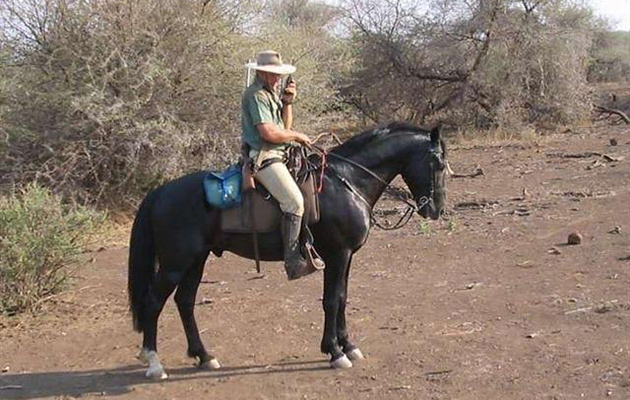
Elegant, proud, and with its characteristic black coat, the Menorquín is much more than a horse: it is the living symbol of a tradition that has its roots in centuries past.
The Menorquín horse: elegance, temperament, and endurance
Il cavallo minorchino è un animale nobile, dal temperamento “caliente”, ma al tempo stesso equilibrato e affidabile. Rustico e resistente, si adatta perfettamente al territorio dell’isola e non richiede cure particolarmente complesse. È un cavallo sensibile, fedele al proprio cavaliere e dotato di grande intelligenza, qualità che lo rendono ideale per diverse discipline tradizionali.
He shows a natural predisposition for Minorcan dressage, vaquera dressage, traditional bullfighting, and driving, always distinguishing himself for his elegance and willingness to work.
From a morphological point of view, the Menorquín is harmonious and slender:
- medium-sized head, lean and expressive
- small and well-set ears
- big, striking eyes that give an intense gaze
- strong, slightly arched neck, powerful and well-muscled
- thick and strong mane
- long, slender torso, with a straight, ascending back-lumbar line
- fine but solid limbs, with strong joints and hard, healthy hooves
The result is an elegant, obedient, and surprisingly agile horse.
Ancient origins of a recently recognized race
Although the Menorquina breed was only officially recognized in 1987, its presence on the island has been documented for centuries. Recognition came after an in-depth study conducted by the renowned Spanish zoologist Antonio Sánchez Belda, who confirmed the existence of morphological and functional characteristics that defined it as a distinct breed.
The first historical records date back to 77 AD, when Pliny the Elder mentioned Menorca as a land renowned for breeding high-quality livestock. Over the centuries, the Menorquín horse has played a central role in both religious and equestrian circles, with traditions handed down from generation to generation.
The levade: the symbolic gesture of the Menorquín
The most iconic feature of this breed is undoubtedly the levade: a controlled rearing in which the horse manages to maintain its balance while walking on its hind legs alone.
This skill, which requires strength, balance, and great harmony with the rider, is made possible by the Menorquín’s particular morphological structure, especially its imposing neck, which acts as a perfect balance point.
During traditional Menorcan festivals, such as the famous Festes de Sant Joan, the levade becomes a moment charged with emotion, capable of uniting horse, rider, and audience in a spectacular ritual that is deeply rooted in local identity.
A horse, an island, a culture
The Menorquín horse is not just a breed, but the most authentic expression of the bond between Menorca and the equestrian world. Every movement tells the story of an island that has managed to preserve its traditions, transforming the horse into a symbol of pride, elegance, and cultural continuity.
For horse lovers, Menorca is not just a destination: it is a place of the soul where the equestrian past still lives on, in the proud stride of the Menorquín horse.