Horse Voyage

THE HORSE IN PENTRO: the horse at the heart of Italic civilisation

THE HORSE IN PENTRO: the horse at the heart of Italic civilisation

The horse was not merely a domestic animal or a travelling companion: for millennia, it was the beating heart of civilisations. In Italy, this bond has its roots in ancient times, when the Italic peoples built their world around mobility, warfare, trade and rural life.

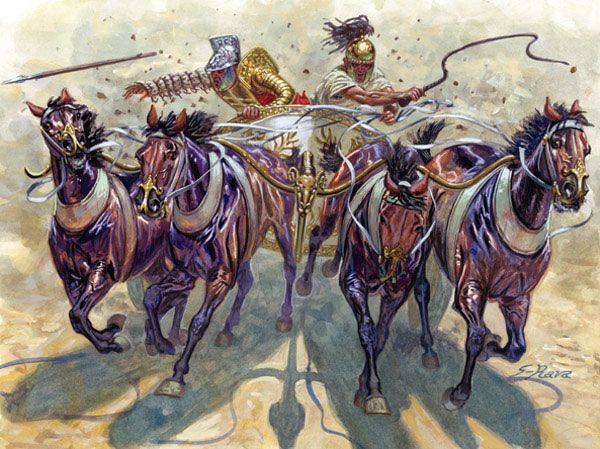
Long before the Roman Empire, peoples such as the Etruscans, the ancient Veneti and the Samnites had already developed a rich equestrian culture. The horse symbolised prestige, power and freedom. Archaeological evidence reveals war chariots, richly decorated harnesses, horse burials and artistic depictions that show just how central this animal was to daily and spiritual life.

Among these peoples were the Pentri, one of the principal Samnite tribes, who lived in what is now Molise and the central-southern Apennines. Proud warriors and mountain dwellers accustomed to difficult terrain, they developed an equestrian tradition closely associated with warfare and mobility in challenging environments. This is the historical setting associated with the Pentro horse and the hardy horses of central Italy.

The Pentro horse was not a particularly imposing animal, but it possessed qualities that were essential to the life of the Samnites: stamina, agility and sure-footedness on mountainous terrain. It had to navigate narrow paths, steep climbs and long marches, becoming an indispensable ally to warriors and shepherds alike. It was the perfect horse for a civilisation that lived amongst mountains, forests and highlands.

The Samnite cavalry was, in fact, one of the most feared in pre-Roman Italy. The Pentri used fast, hardy horses for swift raids, strategic movements and battles in difficult terrain, where knowledge of the landscape made all the difference. The horse thus became a symbol of autonomy, strength and tribal identity.

With the expansion of the Roman Empire, many of these traditions became part of the Empire’s equestrian culture. The ancient genetic lines of the Italic horses contributed to the emergence of new breeds, adapted to the different regions of the peninsula. The legacy left by peoples such as the Pentri did not disappear: it was transformed and lived on in rural horse-breeding and local traditions.

Today, the horse is taking centre stage once again in a new guise: sport, equestrian tourism, the revival of native breeds and the celebration of our historical roots. Telling the story of the Pentro horse means rediscovering an important part of our identity, whilst remembering that a passion for horses in Italy is not a modern fad, but a millennia-old legacy that originated in the Apennine Mountains.

All the articles

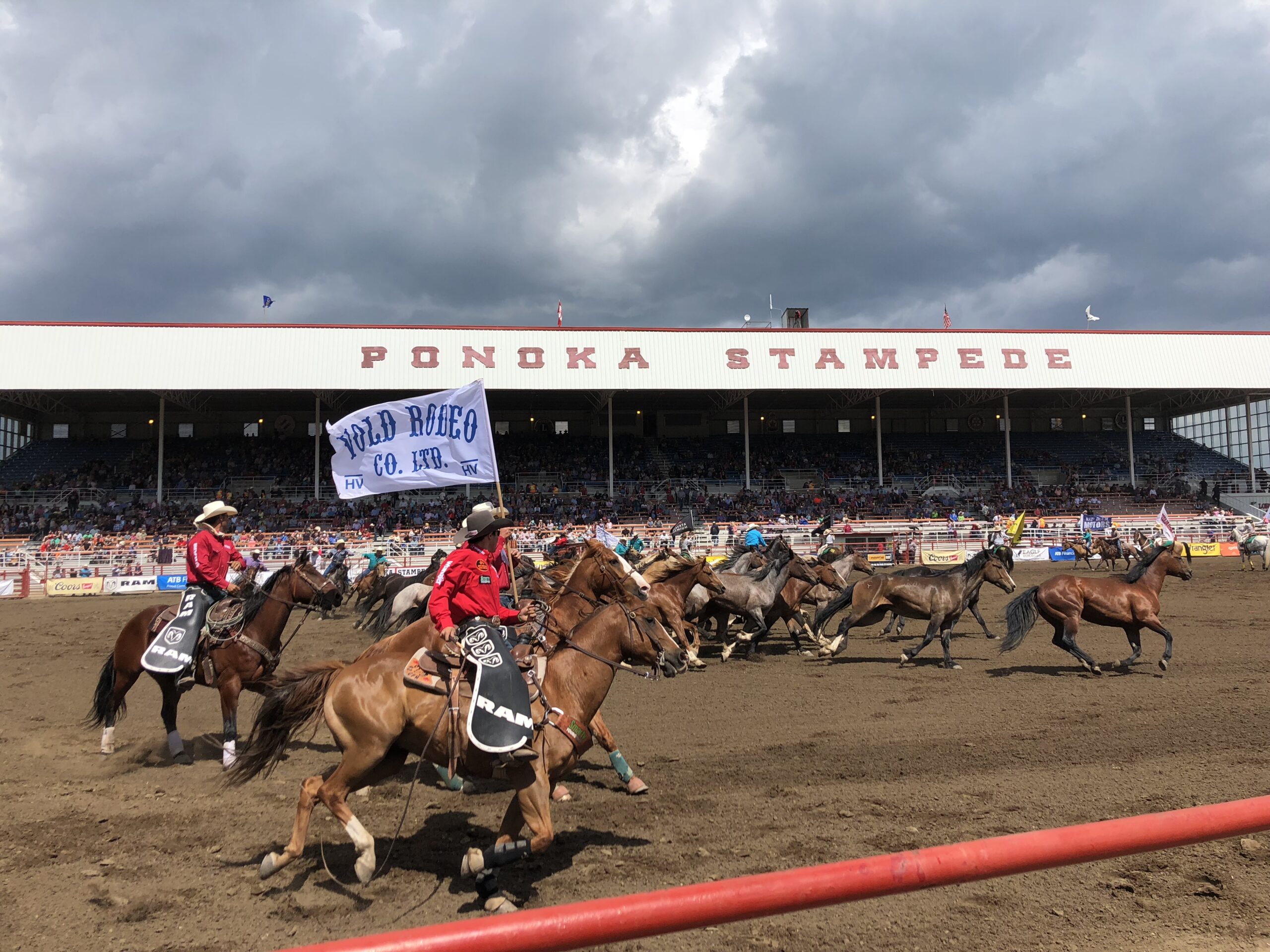
Alberta’s rodeo and cowboy culture: a journey from Wild Horse Races to the everyday life of working ranches.

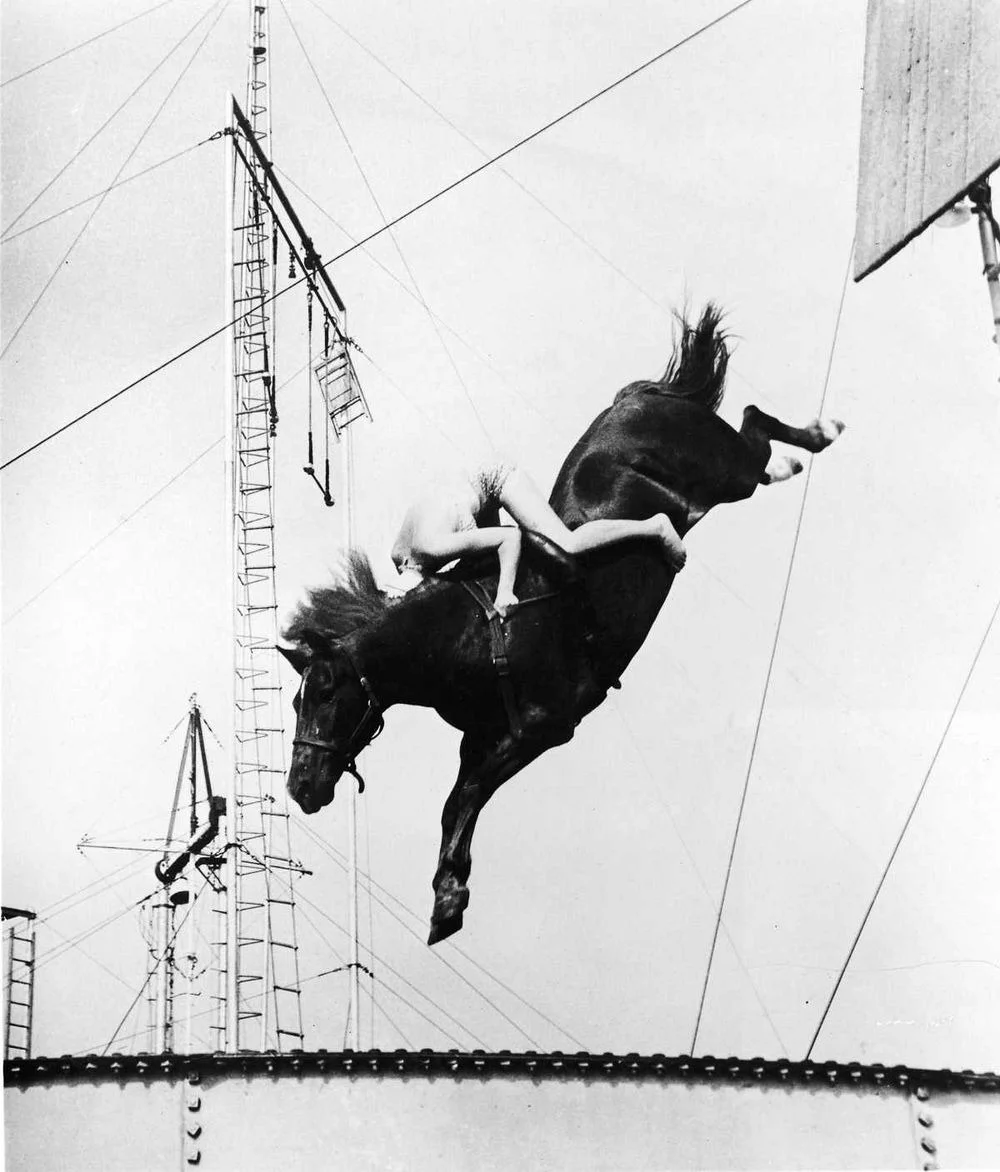
From the Steel Pier’s diving horse acts to Sonora Carver: an unusual and controversial chapter in equestrian entertainment.

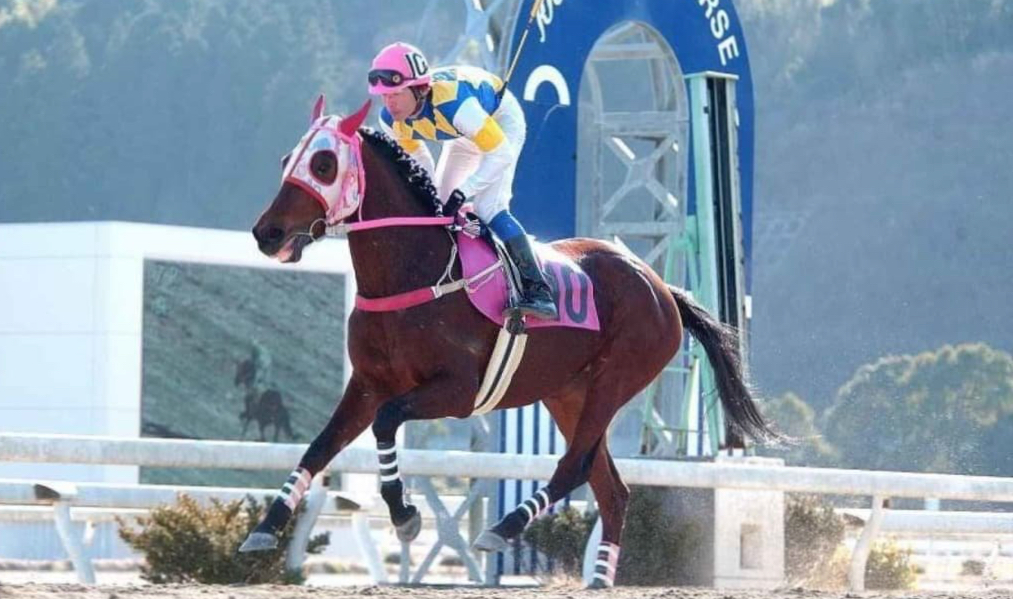
The Japanese mare who ran 113 races without a victory and won the public’s affection beyond the finishing order.

Exit mobile version