
Sable Island: the island of the surviving horses in the Atlantic’s graveyard

South of Nova Scotia, in In Canada, there is a place that is both spectacular and fearsome. Its pristine beaches are made of fine, white sand, and the shallow, crystal-clear waters that lap at them conceal a dark history: this stretch of the Atlantic is known as the  the Atlantic’s graveyard, for its currents have swallowed up over 350 ships, countless sailors and tonnes of gold and silver from distant lands.

And yet, amidst the wind and the sea, amidst the dunes and the coastal vegetation, something incredible survives: the horses of Sable Island, the island’s only permanent inhabitants alongside a few migratory birds. They are not exactly a distinct breed, nor are they entirely wild, but they are what remains of those who survived. And survival here is no small matter: the island is 42 km long and barely 1.5 km wide, with fierce winds and deadly currents generated by the meeting of the Labrador and Gulf Streams, which can lift ships like toys and deposit them on the sandbanks.

Today, around 500 horses live on the island, organised into family groups of 10 to 15 animals. Their origins remain a mystery: some claim they are descended from Acadian horses seized by the British in the 1700s during the Great Deportation; others note similarities with North African Barb horses or the powerful Clydesdales. What is certain is that these  the ‘sand horses’, as Zoe Lucas – a naturalist who has lived on the island for over forty years – calls them, embody the force of life and freedom.

Lucas ha dedicato la sua vita a studiare i cavalli, seguendo gli stalloni dalla giovinezza fino alla morte, osservando come sopravvivono in un ambiente privo di alberi, con scarsa vegetazione, poche sorgenti d’acqua dolce e sabbie mobili improvvise. Racconta di uno stallone gravemente ferito in una lotta, che perse un occhio ma riuscì a sopravvivere e a dare origine a una delle mandrie più forti dell’isola.

Sable Island is a place where every footprint in the sand lasts but a moment before being swept away by the wind. Here, the horses turn to sand when their time is up, yet they leave an indelible mark: a symbol of resilience, adaptation and life in one of the most inhospitable places on the planet. Amidst beauty and danger, these horses are the beating heart of a mystery that, perhaps, one day we will wonder if it ever truly existed.

All the articles

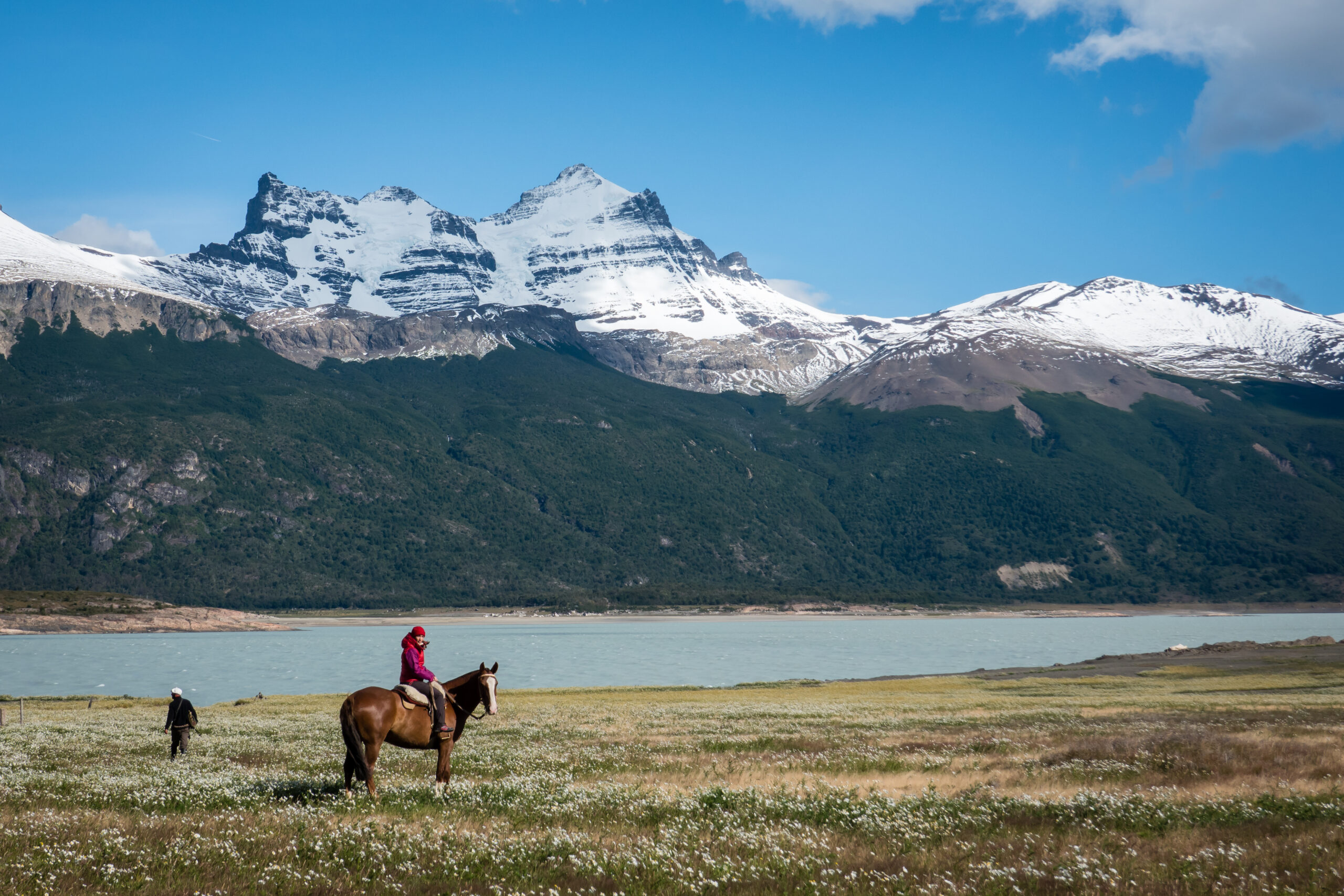
Patagonia on horseback: the perfect winter trip Read the whole article All the articles Tutti Press & Media Patagonia a cavallo: il …
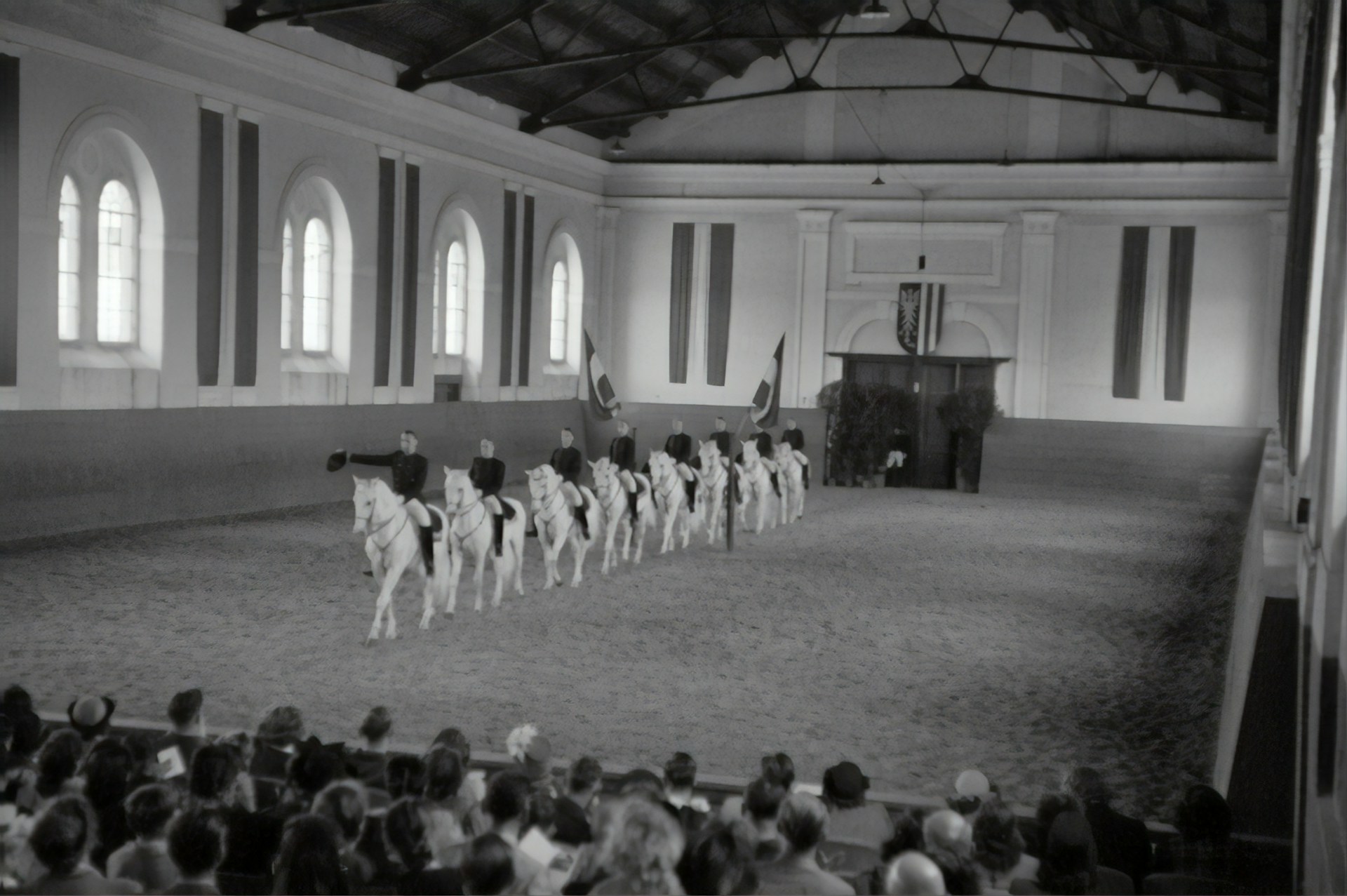
Interesting fact: the Lipizzaner horse & the Vienna School of Advanced Dressage The history of the Lipizzaner horse, a breed named after …
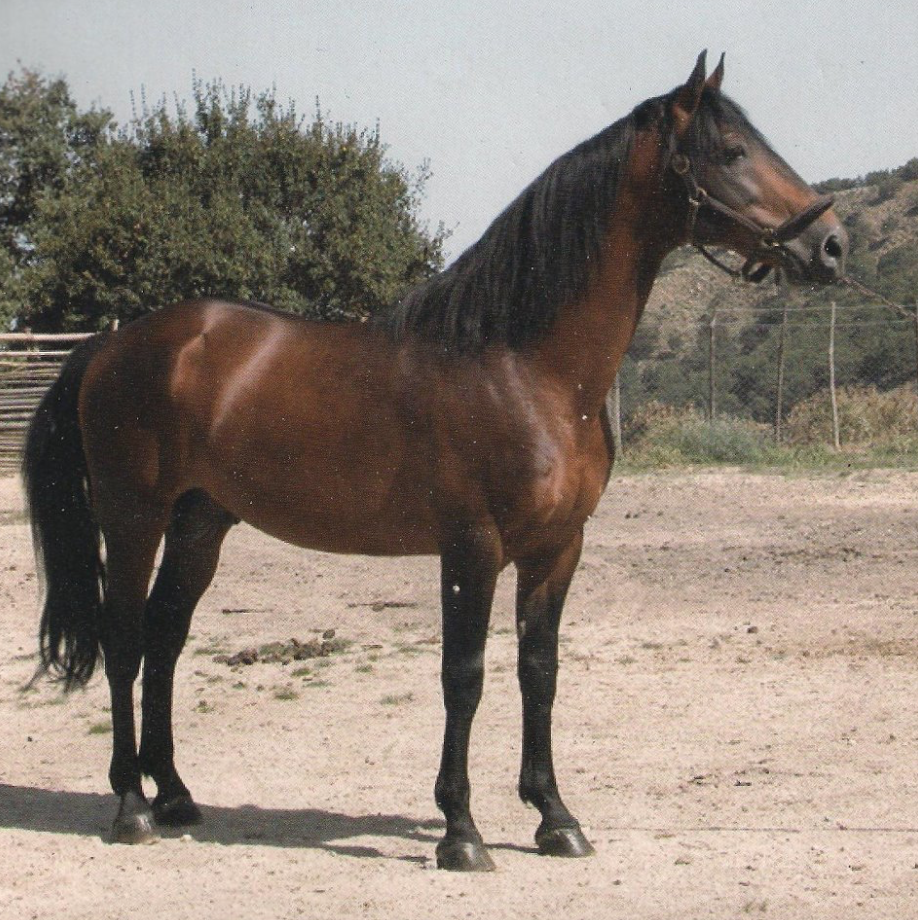
The Sanfratellano Horse: history and characteristics of the Nebrodi horse Proud, rustic and deeply rooted in its homeland, the Sanfratellano horse is …