Horse Voyage

FUN FACT: What color can horse coats be?

FUN FACT: What color can horse coats be?

The coat is one of the most fascinating aspects of the horse: it is not just a matter of aesthetics, but the direct result of genetics. Coat colors depend mainly on a few key genes that regulate pigment production and distribution, giving rise to an incredible variety of shades.

Based on the combination of hair and mane, coats are divided into several broad categories.

Simple capes

In these coats,  the coat and mane are the same color.

  • Morello: uniform black, which may be more or less shiny.
  • Sauro: varies from light red to very dark red; genetically, it is one of the “basic” coats.
  • White: rare, with light skin; not to be confused with gray, which starts out dark and lightens with age.


Genetic fact: a chestnut horse has two recessive copies at the Extension locus, preventing black pigment from being expressed in its coat.

Two-color coats

Here,   the hair and mane are different colors.

  • Bay: brown coat with black mane and hooves, one of the most common colors.
  • Isabella and falbo: light shades with black hair, due to the action of dilution genes.
  • Sorcino: gray-lead coat with black mane.

Genetic curiosity: the bay is genetically “black,” but the Agouti gene limits black to the mane and limbs only.

Two-color blended capes

  • Grey: a progressive mixture of white and pigmented hairs that may appear light, dark or dappled.
  • Ubero: a mixture of white and reddish-yellow.

Genetic curiosity : gray is not a color per se, but a gene that causes the horse to gradually lighten in color with age.

Three-color blended cloaks

  • Roan: mixture of white, red, and black hairs, with different shades.

Genetic fact: unlike progressive greying, the basic distribution of white hairs in classic roan generally remains relatively stable, with seasonal variations.

The world of horse blankets shows how a few genes, combined together, can create an extraordinary variety of colors. Each horse carries a unique and fascinating genetic signature on its coat.

All the articles

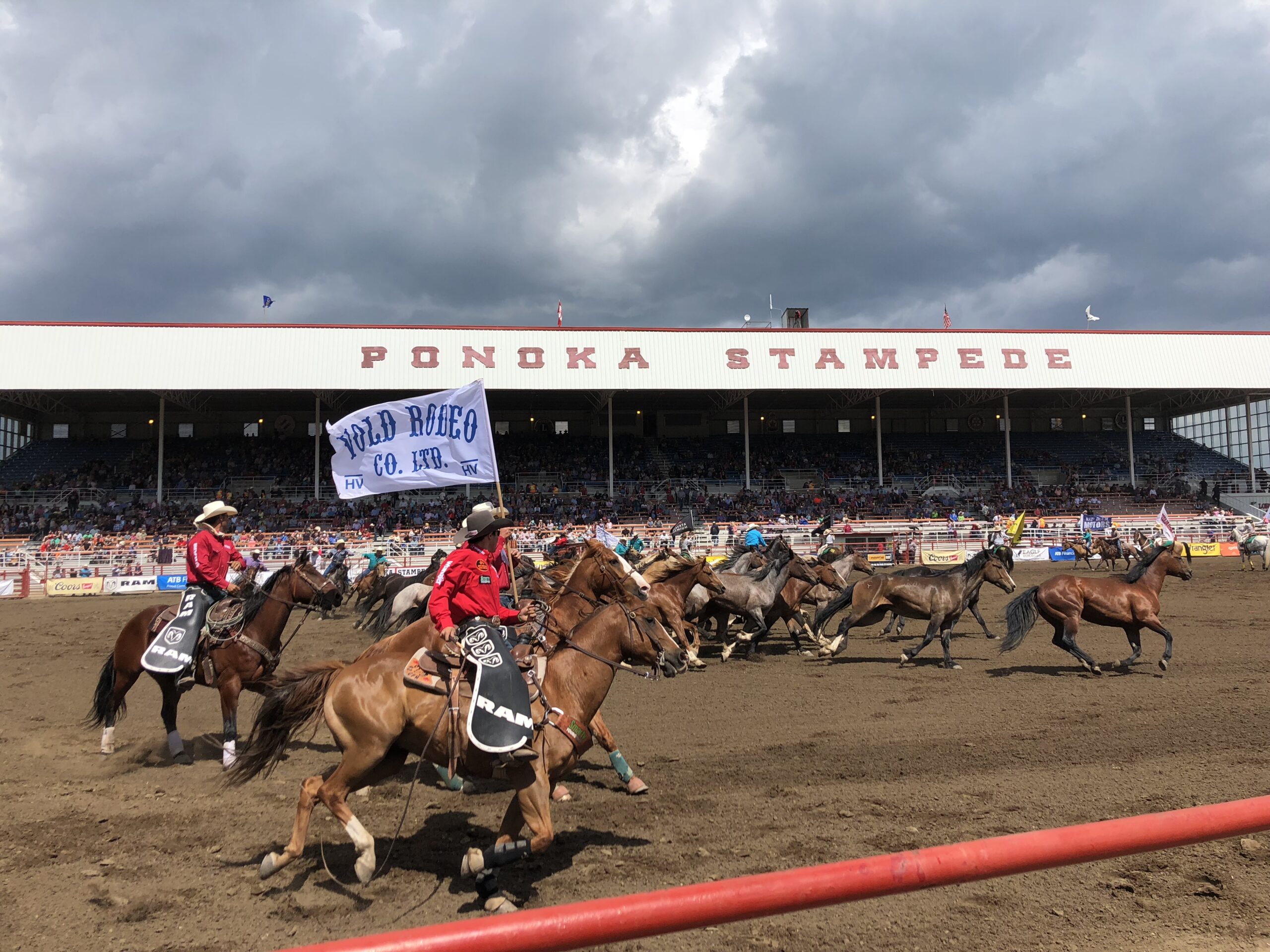
Alberta’s rodeo and cowboy culture: a journey from Wild Horse Races to the everyday life of working ranches.

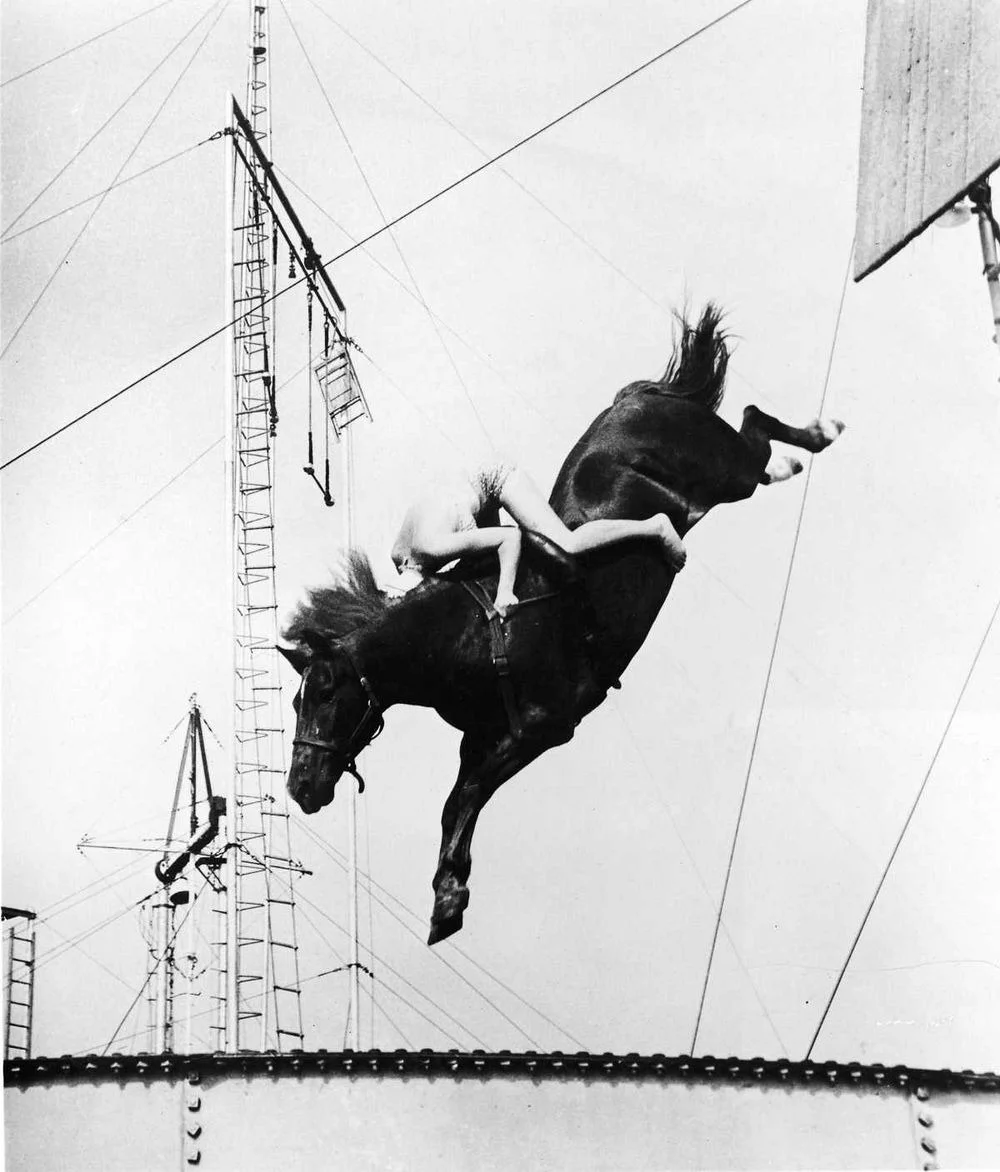
From the Steel Pier’s diving horse acts to Sonora Carver: an unusual and controversial chapter in equestrian entertainment.

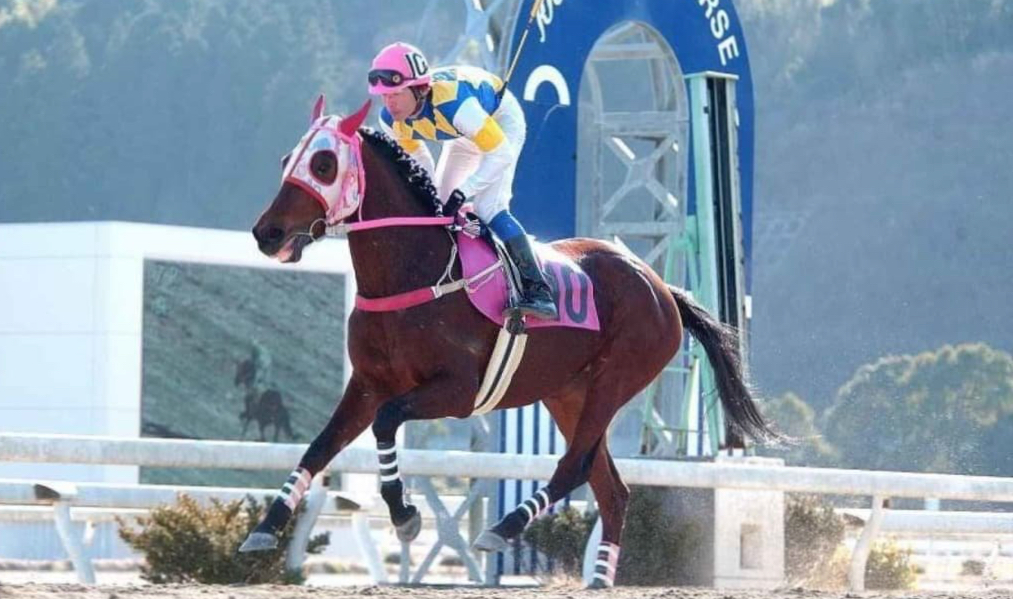
The Japanese mare who ran 113 races without a victory and won the public’s affection beyond the finishing order.

Exit mobile version