The horse’s hoof and shoeing
Horse lovers know how important it is to take care of their hooves. Often, however, it is taken for granted that “the farrier will take care of it”… without really knowing what happens during shoeing and why it is so important.
In this article, we explain step by step how horses are shoed, why their hooves are shod and in which cases different types of shoes are used. A fascinating journey into the world of equine foot care!
First of all: observe the horse in motion
Every good shoeing begins with careful observation of the horse. Before picking up his files and nails, the farrier watches the animal walk at a walk – and, if necessary, also at a trot.
This often underestimated stage is essential. Watching the horse move helps the professional assess its biomechanics—how it places its hooves and distributes weight—and choose appropriate hoof care or shoeing. Small adjustments may sometimes improve comfort or address particular loading problems.
Hoof trimming and shoeing
After the movement assessment, the old shoes are removed. This stage is known as pulling the shoes.
Then comes the moment of levelling, or the ‘technical cleaning’ of the hoof. The farrier uses a special knife (called an English knife) to:
- Remove the dead nail (which is no longer needed),
- Trim the fork (the central part of the hoof),
- Clean up the side and central gaps, restoring them to their original shape and function.
Using special pliers, the excess nail is then cut, levelling the surface on which the new shoe will be positioned. All this is done taking into account the initial assessment of the horse’s movement.
The selection and use of iron
The farrier then selects a shoe of the appropriate type, shape and size, and shapes it on the anvil to match the individual hoof.
Once shaped, the iron is applied and secured with special nails. It is a delicate and highly precise job, which requires a combination of technique, strength and sensitivity.
Rewelding and finishing
After the iron has been nailed down, it is time to move on to riveting. What does this mean?
- Cut off the part of the nails that protrudes from the hoof,
- A small recess is created in the wall (the outer wall of the plinth),
- The nail is folded inwards, forming a sort of “safety hook” that holds the iron firmly in place.
Finally, file the hoof well to remove sharp edges and irregularities. The result? A clean, precise job and, above all, comfort for the horse.
Final check: is the horse walking properly?
Once the shoeing is complete, the farrier inspects the movement again: the horse is made to walk and trot to check that the work has been carried out to the highest standard and that the animal moves naturally and without discomfort.
Why are horses shod?
Why are shoes needed? Horses moving freely over varied terrain experience natural hoof wear, but domestic horses have very different workloads, surfaces and management. Whether hoof wear exceeds growth, protection is needed or a particular problem requires support must be assessed individually. Some horses work comfortably barefoot; others benefit from suitable shoes or hoof protection.
When appropriate for the individual horse, shoes help protect the hoof and provide suitable support and traction.
Of course, once shod, the horse no longer wears down its hooves naturally. For this reason, it is important to schedule shoeing (or trimming, if unshod) approximately every six weeks to keep the hoof healthy and well balanced.
Are there different horseshoes for different horses?
Absolutely! The choice of iron depends on:
- The type of activity performed by the horse,
- His physical build,
- Any postural or health issues.
For instance:
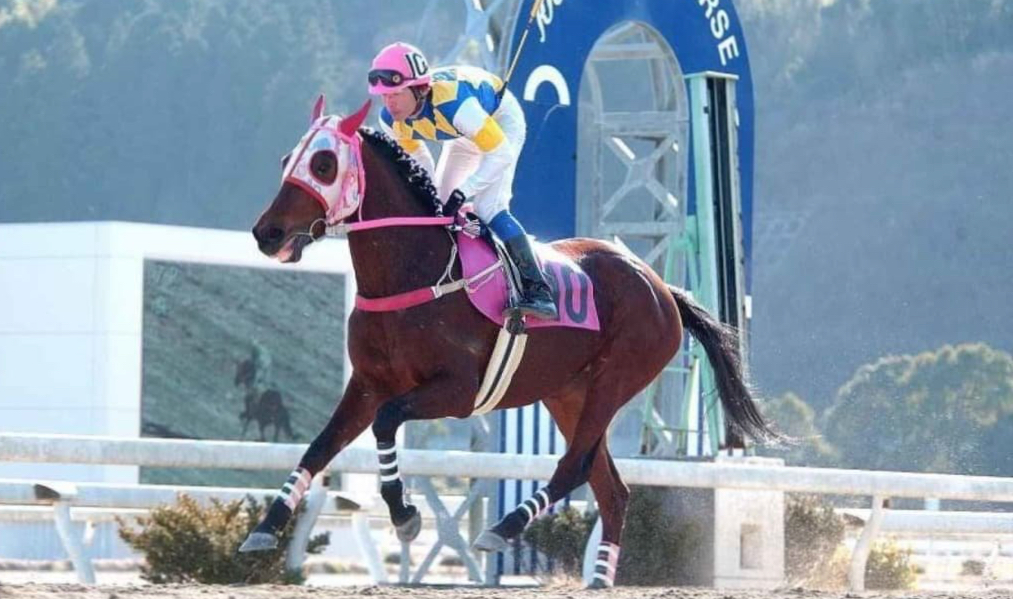
- A racehorse, slender and agile, will need light shoes, because the goal is speed.
- A horse used for show jumping, dressage or vaulting, with a more robust build, will benefit from more stable and comfortable shoes.
- Some horses with limb problems may require customised orthopaedic shoes.