
Sport: the discipline of endurance
Endurance is one of the most popular equestrian sports in the world. Competitions consist of endurance races on various types of terrain, covering distances ranging from 30 to 160 kilometres depending on the category. The most suitable horses for this sport are Arabians and Anglo-Arabians.
A defining feature of endurance riding is the emphasis on the horse’s health. At veterinary gates between stages, according to the competition’s rules, horses undergo checks that may include heart rate, hydration, mucous membranes, gut sounds, breathing, injuries and gait. These metabolic and locomotor assessments determine whether a horse is fit to continue. A horse that does not meet the required criteria is withdrawn or eliminated from the competition.
Modern endurance riding has roots in long-distance military rides held in Europe in the early twentieth century, when cavalry officers tested their best horses over demanding routes covering hundreds of kilometres.
The first modern endurance races were held in 1954 in California (United States), along the Western States Trail, a route that followed the one used between 1860 and 1861 by the Pony Express. This is the route of the world’s most important endurance competition, called the Tevis Cup. These competitions soon spread to Europe, particularly France and Spain.
With the interest shown in the late 1990s by a number of Arab sheikhs, particularly the Al-Maktoum and Al-Nahjan families, i.e. the royal families of the Emirates of Dubai and Abu Dhabi, this sport experienced a remarkable and sudden growth.
Categories
Recent Posts
All the articles
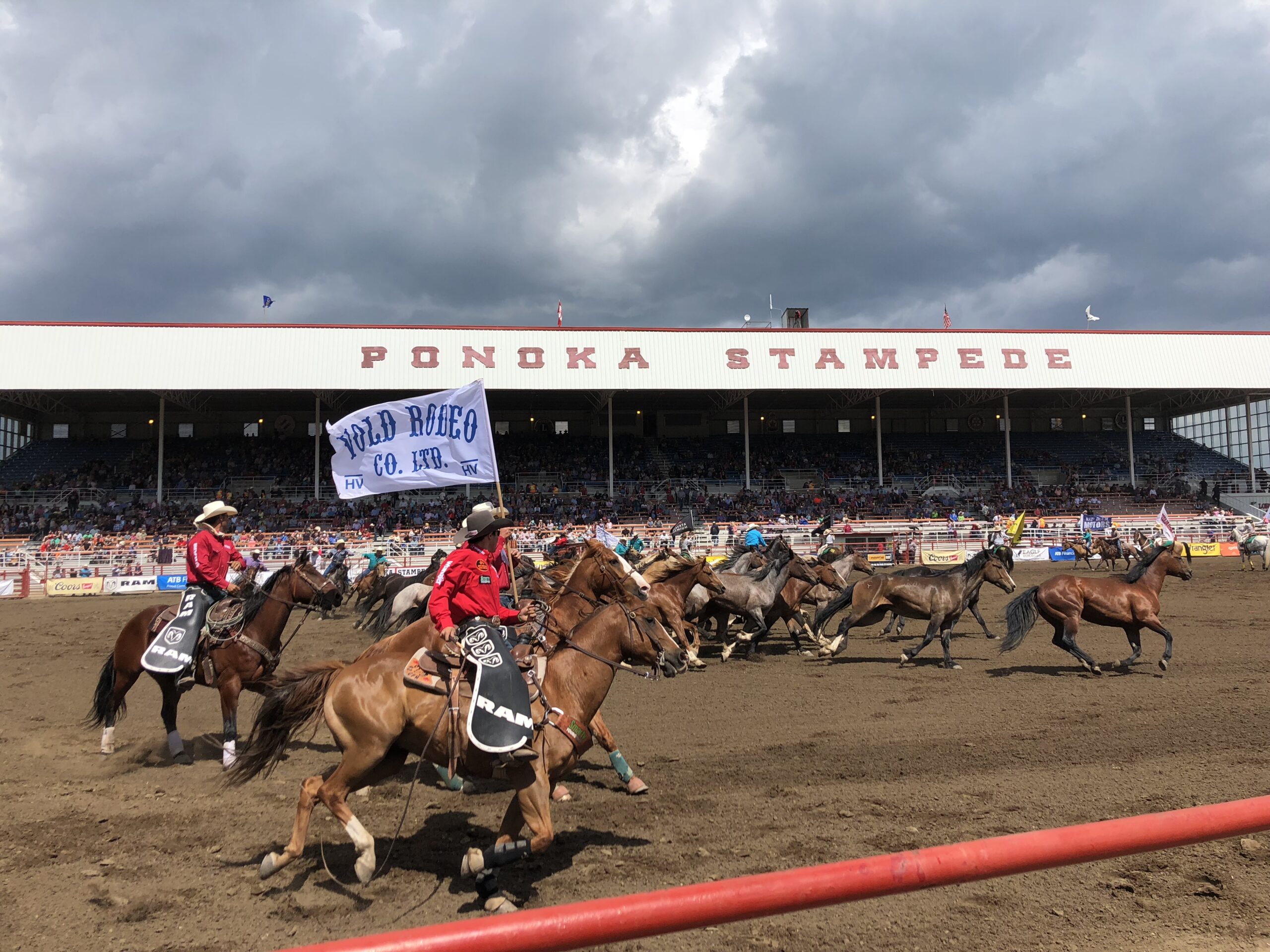
Alberta’s rodeo and cowboy culture: a journey from Wild Horse Races to the everyday life of working ranches.
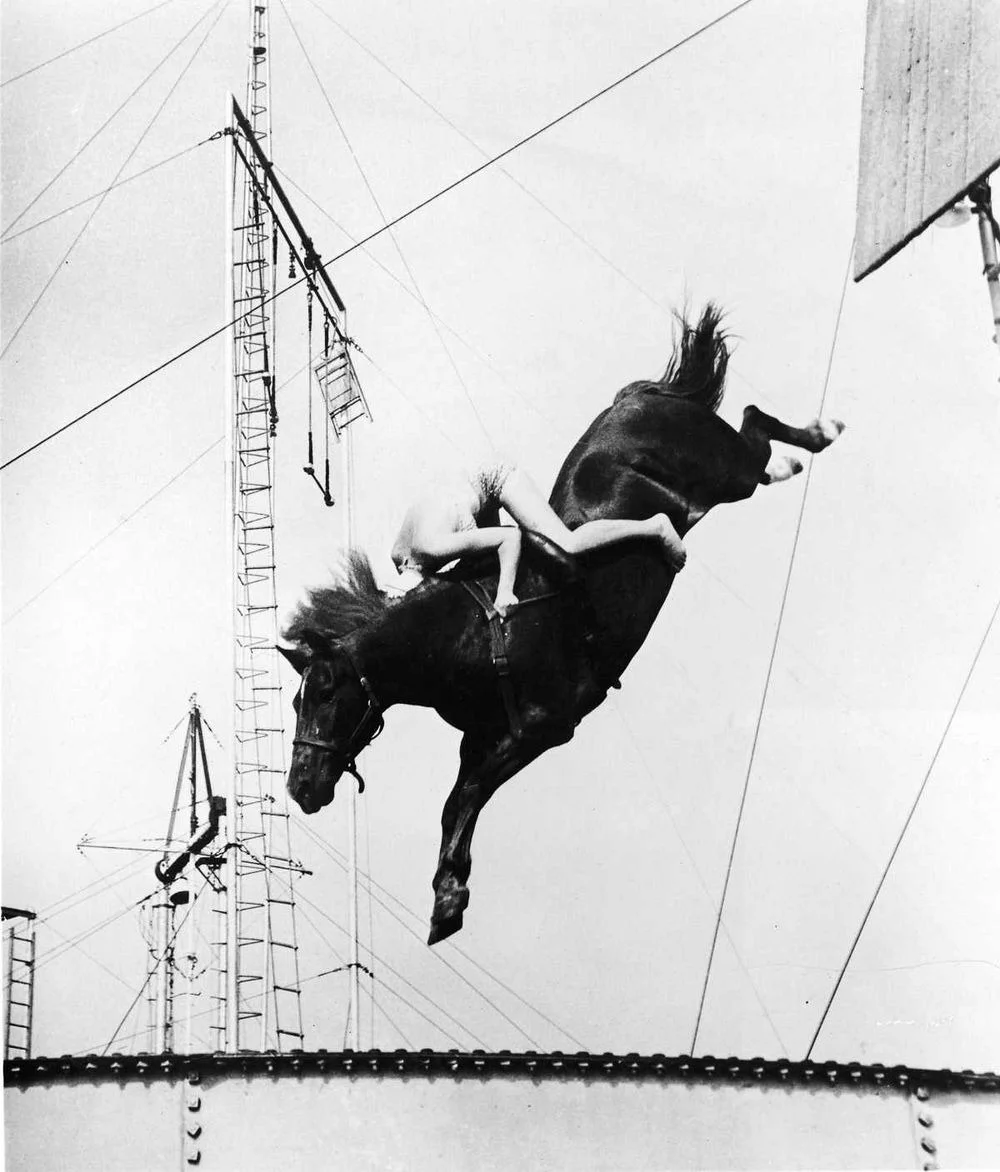
From the Steel Pier’s diving horse acts to Sonora Carver: an unusual and controversial chapter in equestrian entertainment.

The Japanese mare who ran 113 races without a victory and won the public’s affection beyond the finishing order.